By: Matthew Mann
May 21, 2026
Hidden utility waste is one of the most expensive and overlooked problems affecting residential, commercial, and industrial properties today. Small leaks, inefficient plumbing systems, outdated fixtures, and poorly maintained infrastructure can quietly drive up utility bills while placing unnecessary strain on water and energy resources. Many property owners fail to recognize the scale of the issue until costs become substantial or structural damage appears.
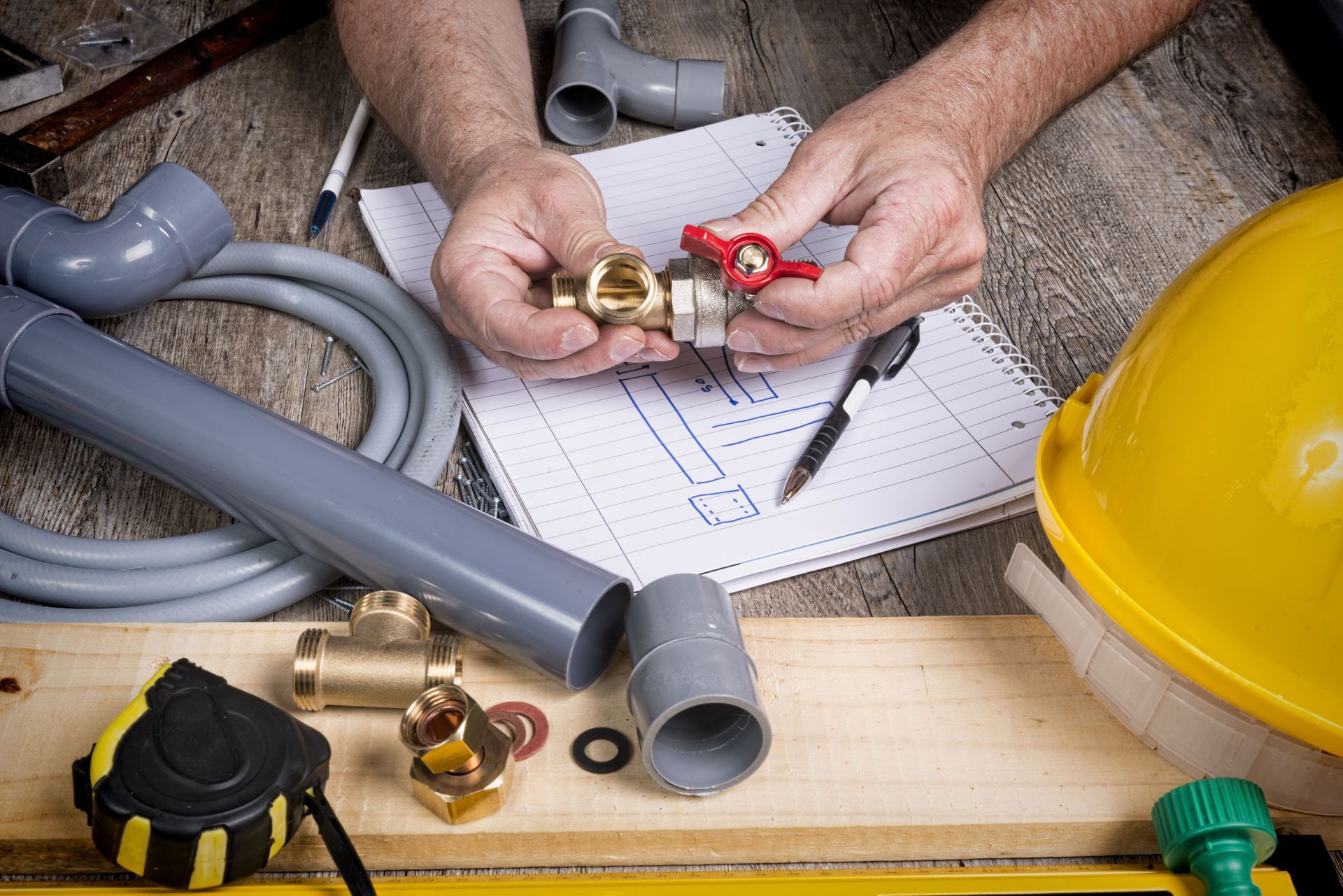
This is where modern plumbing strategies play a critical role. By improving infrastructure integrity, businesses and homeowners can significantly reduce water loss, improve efficiency, and extend the lifespan of their systems. Increasingly, plumbing supply companies are becoming essential partners in this process by providing advanced products, leak-detection technologies, durable piping materials, and water-efficient fixtures designed to minimize hidden waste.
The financial impact of plumbing inefficiencies is enormous. According to ServiceTitan, leaks from household pipes and faucets can waste nearly 10,000 gallons of water annually in a single home. That amount of waste not only increases monthly bills but also contributes to larger environmental concerns surrounding water conservation.
As utility prices continue to rise across the United States, infrastructure integrity has become a major priority for property managers, contractors, municipalities, and homeowners alike. Investing in better plumbing systems is no longer simply about repairs; it is about long-term operational efficiency and sustainability.
In this article, we will explore how plumbing supply companies help reduce hidden utility waste through modern technologies, preventative maintenance solutions, efficient infrastructure upgrades, and smarter water management systems.
Understanding the True Cost of Hidden Utility Waste
Many forms of utility waste remain invisible for long periods of time. A leaking pipe behind a wall, an aging valve beneath a foundation, or a slow-dripping faucet may seem minor individually, but collectively these issues can lead to substantial financial losses.
Water waste often creates a ripple effect that extends beyond the immediate utility bill. Excess moisture can damage drywall, flooring, insulation, and structural supports. Mold growth may develop in hidden areas, resulting in costly remediation projects and potential health risks. Commercial properties may also face downtime, compliance concerns, or reputational damage when plumbing failures interrupt operations.
Energy waste is another major consequence of inefficient plumbing systems. Hot water leaks force water heaters to work harder, increasing electricity or gas consumption. Corroded pipes and outdated fixtures may reduce water pressure, leading to inefficient appliance performance and higher operational costs.
Because many plumbing issues develop gradually, they frequently go unnoticed until damage becomes severe. This is why proactive infrastructure management has become increasingly important. By partnering with experienced contractors and reliable plumbing supply companies, property owners can identify vulnerabilities before they escalate into major problems.
Detecting Problems Before They Escalate
Early detection is one of the most effective strategies for reducing utility waste. Modern leak-detection technology allows plumbing professionals to identify hidden issues with greater speed and accuracy than ever before.
Advanced sensors, smart monitoring systems, thermal imaging equipment, and pressure-testing tools can detect leaks behind walls, under slabs, and inside underground pipelines. These innovations help eliminate guesswork while minimizing unnecessary demolition or repair work.
Many plumbing supply companies now provide smart water monitoring systems that continuously track usage patterns. When abnormal activity occurs, the system can alert property owners immediately through mobile applications or automated notifications. This allows users to respond quickly before a small leak turns into a catastrophic failure.
Preventative monitoring is particularly valuable in large commercial facilities where even a minor plumbing issue can waste thousands of gallons of water in a short period. Schools, hospitals, manufacturing facilities, hotels, and office buildings increasingly rely on automated infrastructure monitoring to maintain operational efficiency.
By embracing proactive detection technologies, property owners can significantly reduce repair costs, conserve resources, and protect long-term infrastructure performance.
Upgrading Aging Plumbing Infrastructure
Much of the plumbing infrastructure currently operating in the United States was installed decades ago. Aging pipes, corroded fittings, and outdated fixtures are common sources of hidden utility waste.
Older galvanized steel or cast-iron piping systems often deteriorate internally over time. Corrosion restricts water flow, weakens pipe integrity, and increases the likelihood of leaks or bursts. In many cases, outdated systems operate inefficiently long before visible problems appear.
Modern materials such as PEX piping, high-efficiency valves, and corrosion-resistant fittings offer substantial improvements in durability and performance. These upgraded systems reduce maintenance requirements while improving water flow consistency and overall efficiency.
Plumbing supply companies play a major role in helping contractors and property owners transition to newer infrastructure solutions. By supplying durable materials engineered for long-term reliability, these businesses help reduce future utility waste and maintenance expenses.
Infrastructure upgrades also support sustainability initiatives. Water-efficient fixtures, low-flow toilets, high-performance faucets, and energy-saving water heaters can dramatically reduce resource consumption without sacrificing performance.
For commercial properties, modernizing plumbing infrastructure can deliver measurable operational savings while helping organizations meet environmental goals and regulatory standards.
Improving Water Efficiency Through Smart Fixtures
Water-efficient fixtures have become one of the most accessible and impactful tools for reducing hidden utility waste. Advances in plumbing technology allow modern fixtures to use significantly less water while maintaining strong performance and user comfort.
Low-flow faucets, dual-flush toilets, touchless fixtures, and high-efficiency showerheads are increasingly common in residential and commercial environments. These products reduce unnecessary water consumption without requiring major behavioral changes from users.
Smart fixtures also improve hygiene and convenience while lowering operational costs. Touchless systems minimize water waste caused by running faucets and accidental overuse. Sensor-based technologies ensure water flows only when needed.
Many plumbing supply companies now prioritize environmentally responsible product lines that support water conservation initiatives. These products are especially valuable in regions facing water shortages, rising utility rates, or stricter efficiency regulations.
Businesses can benefit substantially from fixture upgrades. Hotels, restaurants, healthcare facilities, and educational institutions often consume large amounts of water daily. Even small reductions in usage per fixture can translate into significant annual savings across an entire property portfolio.
As awareness of sustainability continues to grow, water-efficient plumbing systems are becoming standard components of responsible infrastructure planning.
Preventative Maintenance as a Long-Term Strategy
Preventative maintenance remains one of the most effective ways to preserve infrastructure integrity and minimize hidden utility waste. Unfortunately, many property owners still operate reactively, addressing plumbing issues only after failures occur.
Routine inspections help identify small issues before they become expensive emergencies. Maintenance programs typically include leak detection, pipe inspections, valve testing, drain cleaning, pressure evaluations, and fixture assessments.
Commercial properties especially benefit from scheduled maintenance because plumbing failures can disrupt operations, impact customer experiences, and create liability concerns. Regular servicing helps ensure consistent system performance while reducing the risk of sudden breakdowns.
Plumbing supply companies support preventative maintenance efforts by providing replacement components, repair materials, diagnostic tools, and upgraded system technologies. Reliable access to quality parts enables contractors to perform repairs quickly and effectively.
Long-term maintenance planning also extends the lifespan of plumbing infrastructure. Instead of facing costly system-wide replacements unexpectedly, property owners can budget strategically for gradual improvements and targeted upgrades.
A proactive maintenance strategy ultimately reduces utility waste, lowers repair expenses, and improves overall property value.
If you want to reduce hidden utility waste, improve infrastructure performance, and future-proof your property, now is the time to partner with trusted plumbing professionals and explore the latest solutions available from leading plumbing supply companies. Reach out to Bellmawr Plumbing Supply today!